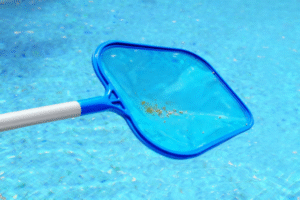

Swimmers want clean water. Dirty pool water scares them away. Finding the right disinfectant is key.
The best swimming pool disinfectants include TCCA1, liquid chlorine, calcium hypochlorite, sodium dichloroisocyanurate2, chlorine gas, chlorine dioxide3, bromine, and systems that make chlorine through electrolysis.
Each type works differently. They meet different needs for pools.I have seen many pool operators struggle. They try to keep pool water safe and clear. Knowing the different disinfectant options is the first step. This helps choose the best fit for a specific pool or business model. Let's look at each one.
Is TCCA A Good Choice For Pool Disinfection?
You need a simple way to kill germs. Manual dosing takes too much time. Is there an easy tablet option?
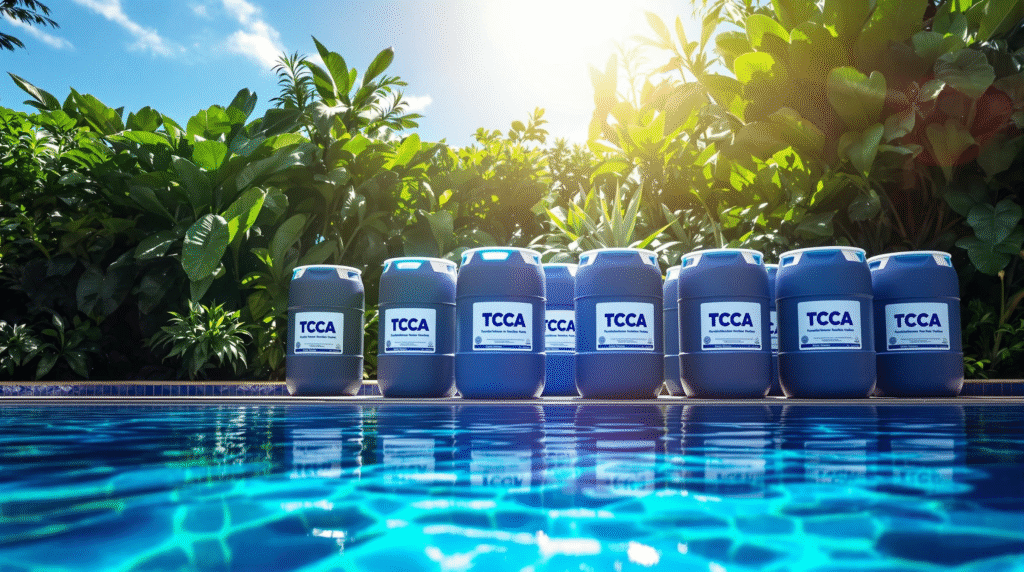
TCCA, or trichloroisocyanuric acid4, is a common pool disinfectant5. It comes in easy-to-use tablets. It dissolves fast. It kills bacteria quickly6 in the water.
Why Use TCCA?
TCCA is very popular. It is easy to handle. You just put the tablets in a skimmer or feeder. It works fast to clean the water. It has high chlorine content. This means one tablet can treat a large amount of water. Many operators like its convenience. It releases chlorine slowly. This helps maintain a chlorine level over time.
Things to Watch With TCCA
Using TCCA needs careful watching. It has a strong chlorine smell. I know this smell well from visiting many pool sites. Long-term use can cause problems. It can raise chlorine levels too high. It can also increase urea and total alkalinity in the water. You must check water balance often. It contains cyanuric acid (CYA). CYA helps stabilize chlorine. This is good in sunlight. But too much CYA can slow down chlorine's killing power. This is called chlorine lock. You need to manage CYA levels. SIAU, a pool operator in Malaysia, told me he faced this. He needed to drain water to lower CYA. This costs money and wastes water. Managing water balance is important with TCCA. This requires regular testing and adjustments. It adds to work time.
How Does Liquid Chlorine Work For Pools?
Pool water looks cloudy. It needs a quick boost of cleaner. Is there a fast-acting liquid?
Liquid chlorine is sodium hypochlorite. It is a strong cleaner. It works fast to disinfect water. It can raise chlorine levels quickly.
Using Sodium Hypochlorite Safely
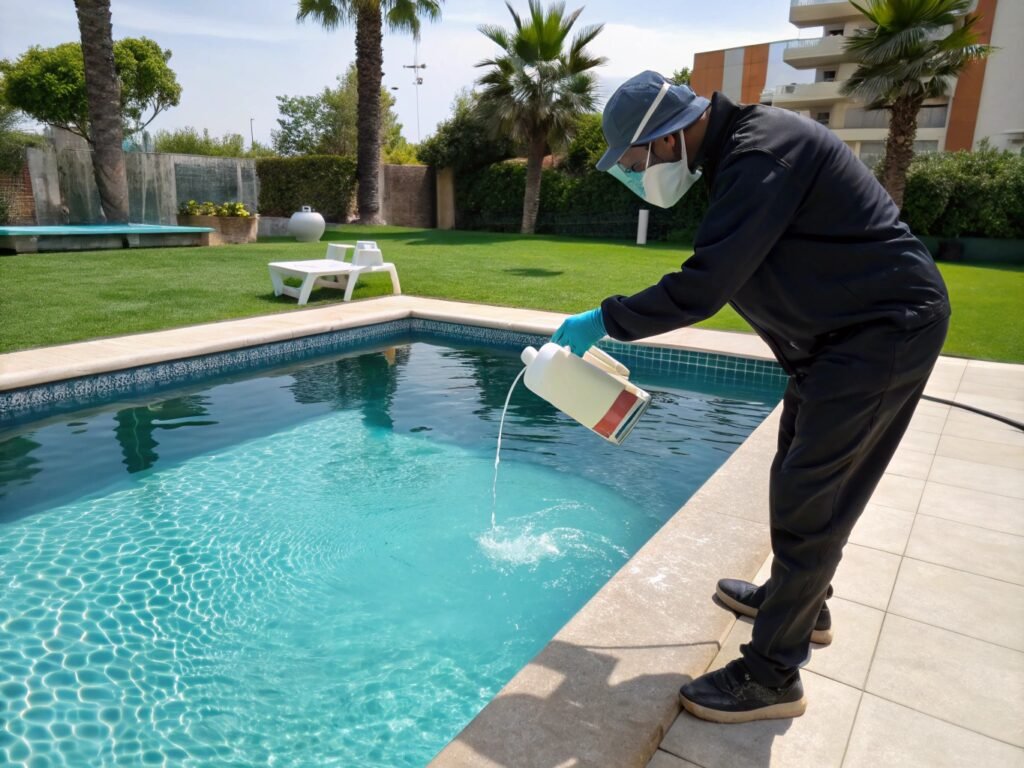
Sodium hypochlorite is a powerful oxidizer. It is the main part of bleach. It is effective against germs. It kills them fast. After use, the water can have a strong chlorine smell. It also makes the water more alkaline. This means you need to add acid to lower the pH. Adjusting pH is an extra step. It takes time and chemicals. Liquid chlorine is good for pools with vinyl liners. It does not add calcium. It is also used for shocking a pool. This means adding a large dose to kill algae or remove organic matter.
Challenges With Liquid Chlorine
Handling liquid chlorine needs care. It is a chemical that can be dangerous if spilled. It needs proper storage. It must be kept away from heat and other chemicals. SIAU uses liquid chlorine sometimes for shock treatment. He told me measuring and pouring is risky. It can splash on clothes or skin. The concentration can vary between suppliers. This makes consistent dosing hard. You need to test water often to get the dose right. It also requires manual handling. This adds to labor costs. SIAU said he spends hours each week just handling chemicals. Automating this process would save him time and money. SIAU wishes for a system that handles the dosing precisely and safely.
Is Calcium Hypochlorite Safe and Effective?
You want a strong disinfectant. It should not change pH too much. Is there an option that does this?
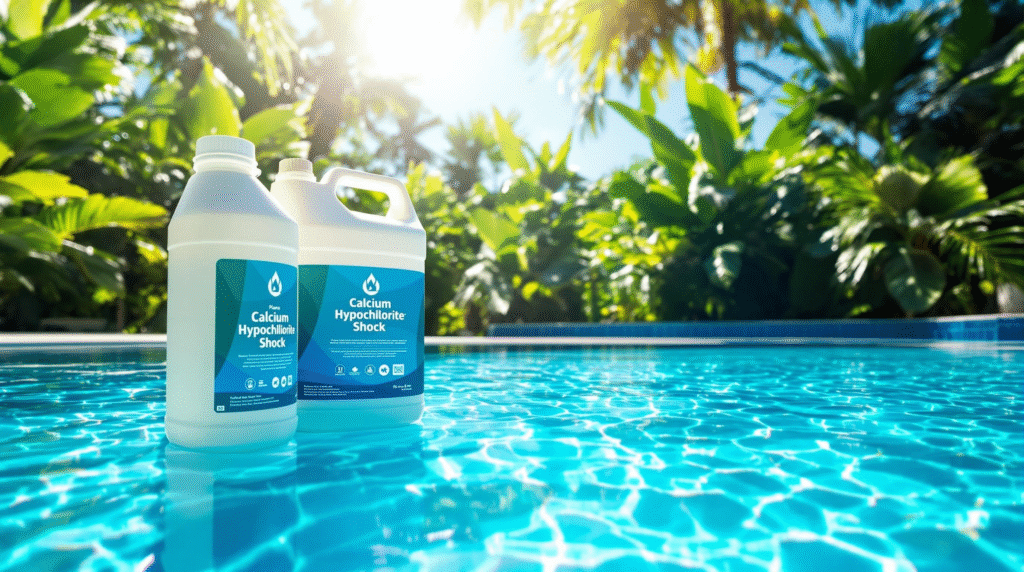
Calcium hypochlorite, often called cal hypo or shock, is a strong pool disinfectant. Its pH is close to neutral. It kills germs well. It does not have a strong smell. It is safe to use.
Benefits of Calcium Hypochlorite
Cal hypo is a solid form of chlorine. It dissolves fast in water. It quickly increases the free chlorine level. This makes it good for regular disinfection and shocking. Its pH is less alkaline than liquid chlorine. This means you might need less acid to balance the water. This can save money on pH adjusters. It is also easy to store as a solid. Many operators use it for routine maintenance. It kills bacteria and algae effectively. I have seen many maintenance teams using cal hypo. They like how fast it works.
Consider Calcium Buildup
Using calcium hypochlorite adds calcium to the pool water. Over time, this can increase the calcium hardness. High calcium hardness can cause problems. It can lead to scale buildup on pool surfaces and equipment. This scale looks white and chalky. It is hard to remove. It can damage filters and heaters. Pool operators must monitor calcium hardness levels. If levels get too high, they may need to partially drain and refill the pool with fresh water. This process takes time. It also costs money. For SIAU, managing water chemistry manually is a big part of his job. Monitoring calcium, chlorine, pH, and other factors takes constant effort. SIAU wants a simpler system. He wants a system that reduces the need for constant manual testing and adjustment.
What Is Sodium Dichloroisocyanurate Used For?
You need a disinfectant that lasts. It should also help with algae. What chemical does this?
Sodium dichloroisocyanurate is like TCCA. It kills many types of germs. It has high chlorine content. It stays in the water for a long time. It also helps kill algae, remove smells, clean water, and bleach surfaces.
The Role of Dichloroisocyanurate
This chemical is also a solid, often in granular form. It dissolves fast. It releases chlorine into the water. It is stable in sunlight. This is because it contains cyanuric acid, like TCCA. This stability makes the chlorine last longer. It is effective against bacteria, viruses, and algae. Its multiple benefits make it a useful tool for pool maintenance. Pool operators use it for regular chlorination. They also use it for maintenance doses.
Comparisons and Considerations
Sodium dichloroisocyanurate is similar to TCCA. Both contain stabilized chlorine. They both add cyanuric acid to the water. This means they share some challenges. Too much CYA can reduce chlorine's power. You need to watch CYA levels carefully. The main difference is form and release rate. TCCA is usually slower dissolving (tablets). Dichloroisocyanurate is often faster (granules). This can affect how quickly chlorine levels rise. Choosing between them depends on dosing methods and pool use. Both require manual addition. This takes time. It requires labor. SIAU uses similar products. He knows the labor involved in measuring and adding chemicals daily or weekly. He wishes for automated dosing. This would free up his team for other tasks. It would make his business more efficient.
Is Chlorine Gas Still Used In Pools?
You need the most powerful disinfectant. Safety is the biggest concern. What is the strongest option?
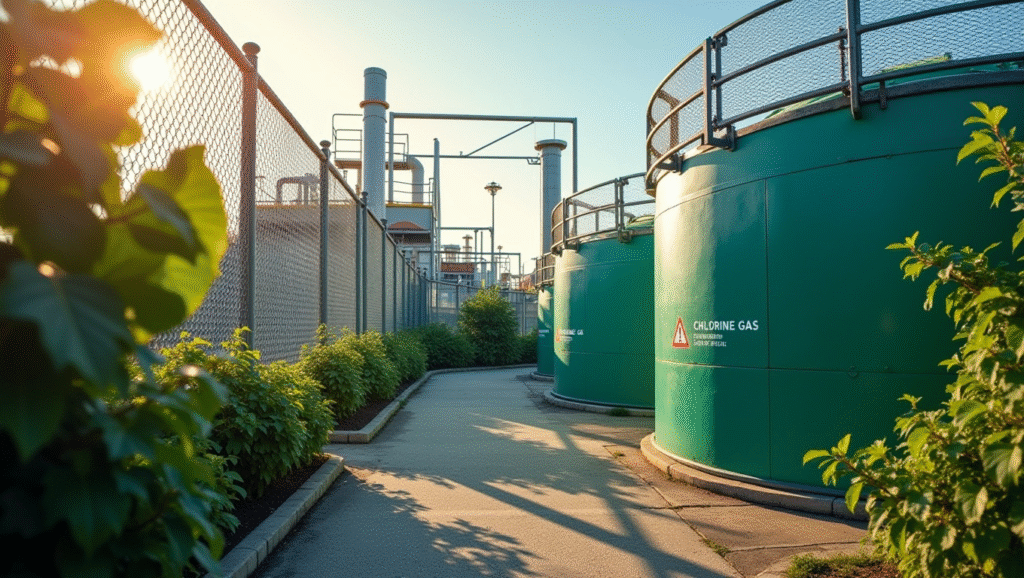
Chlorine gas is a very strong disinfectant. It kills germs very fast. It is highly effective. It requires specialized equipment and strict safety rules.
Where Chlorine Gas Is Used
Chlorine gas is one of the most powerful disinfectants available. It is extremely effective at killing all kinds of harmful organisms in water. It works very quickly. Because it is so potent and dangerous, it is not typically used in small pools. You will find it in very large swimming pools. It is also used in big water treatment plants. Professional operators handle it. They have special training. They use dedicated equipment. This includes gas feeders and safety systems.
Safety Is Key With Chlorine Gas
Working with chlorine gas is risky. It is a toxic gas. Leaks can be very dangerous. They can harm people's lungs and cause death. Storing chlorine gas requires secure facilities. These facilities must meet strict safety codes. SIAU, who runs a business with many pools, told me he would never use chlorine gas. The risks are too high for his clients and staff. He serves residential and commercial pools. They are not set up for this kind of system. It needs specialized ventilation. It needs gas detection systems. It needs emergency response plans. The complexity and danger make it unsuitable for most pools. While effective, its safety requirements limit its use to specific, large-scale operations with trained personnel.
Can Chlorine Dioxide Be Used In Swimming Pools?
You want a disinfectant that is strong. It should also be good for the environment. Is there an option like that?
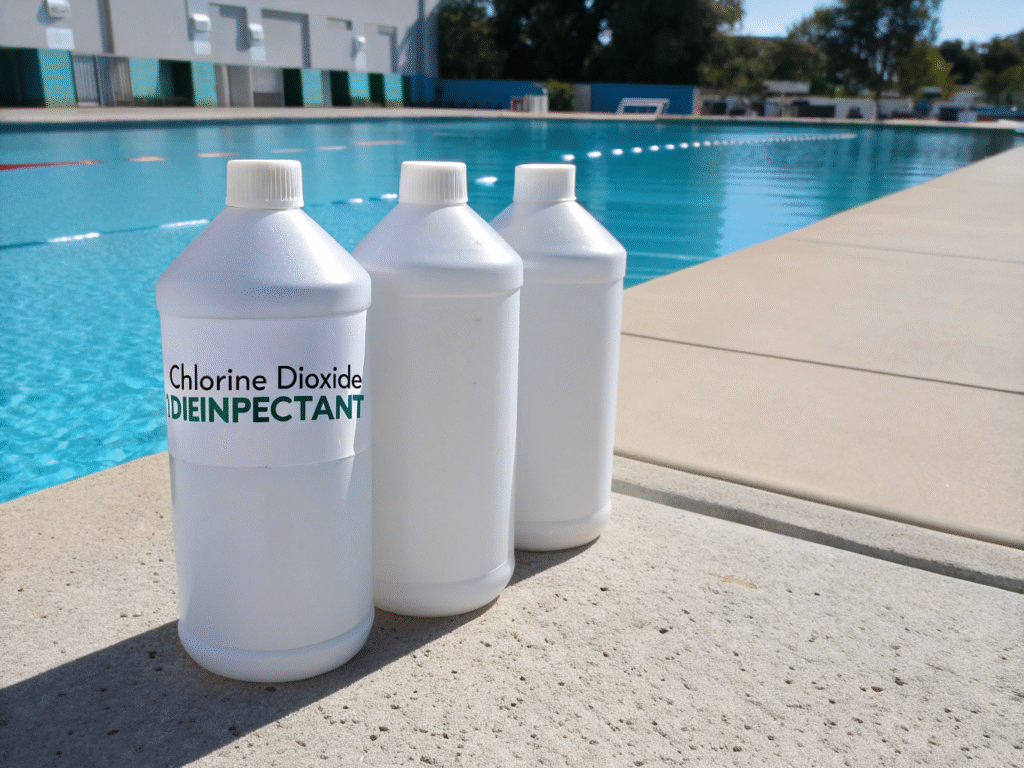
Chlorine dioxide is an effective disinfectant. It kills germs well. It removes organic matter and bad smells from water. It is kinder to the environment. It makes fewer harmful byproducts.
Benefits of Chlorine Dioxide
Chlorine dioxide is a powerful oxidizing agent. It is very effective at killing bacteria, viruses, and protozoa. It works over a wider pH range than chlorine. It does not react with many organic compounds in water. This is important. It means it produces fewer disinfection byproducts (DBPs). Some DBPs can be harmful. Fewer DBPs mean cleaner, safer water. It is also good at removing tastes and odors. This improves water quality for swimmers. It can also help oxidize iron and manganese. These can stain pool surfaces.
How Chlorine Dioxide Is Different
Chlorine dioxide is often generated on-site. It is not usually stored as a ready-to-use chemical. This adds complexity. It requires specialized generating equipment. This equipment mixes chemicals to create chlorine dioxide gas. The gas is then dissolved in water and added to the pool. This system is more complex and expensive than traditional chlorine dosing. It is often used in commercial pools or water parks. These places prioritize water quality and safety. SIAU has heard of chlorine dioxide. He knows it is advanced. But it seems too complex and costly for many of the pools he services. He needs solutions that are effective but also practical and affordable for pool operators. He is looking for reliable systems that his clients can trust and afford.
What Are Bromine Disinfectants Good For?
Your pool water is often warm. People are sensitive to chlorine. Is there another option?
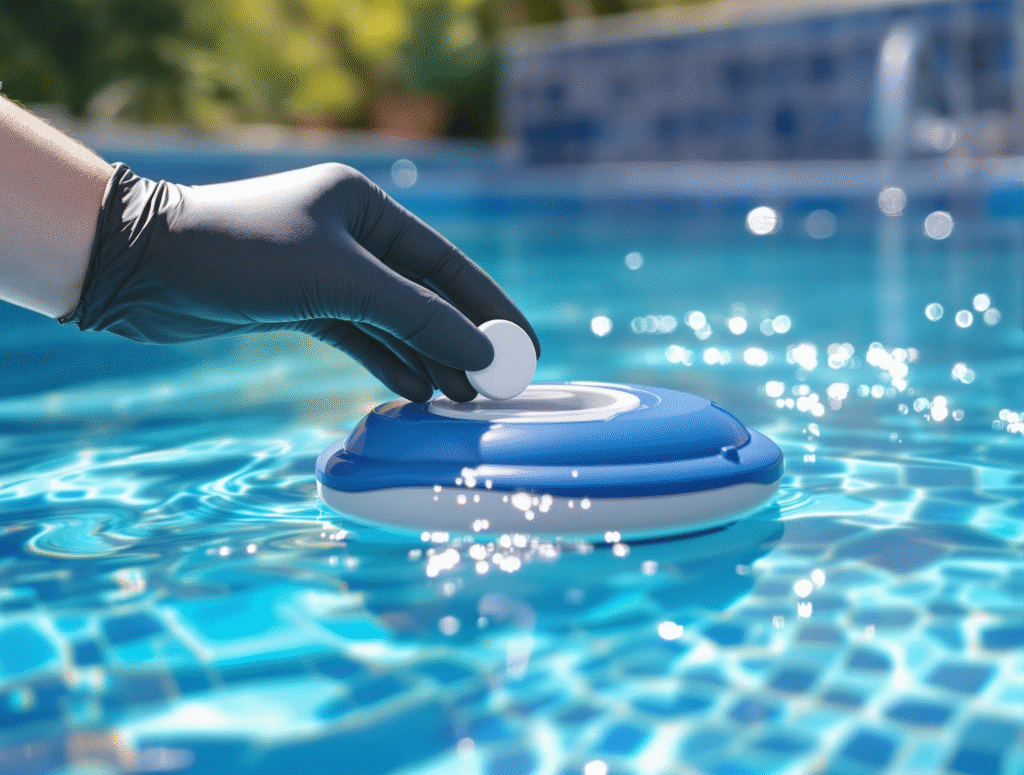
Bromine disinfectants work well in warm water pools. They kill germs effectively. Bromine is less irritating to people than chlorine. It is good for people with chlorine sensitivity.
Why Choose Bromine?
Bromine is a halogen, like chlorine. It kills bacteria and algae. It is often used in hot tubs and spas. This is because it remains effective at higher water temperatures than chlorine. Chlorine can become less active in hot water. Bromine is also gentler on skin and eyes. It has less of a chemical smell than chlorine. This makes the swimming experience more pleasant for some people. It is a good choice for people who have had reactions to chlorine. Bromine is available in different forms. These include tablets, granules, and liquids. Some common types are bromochloro-dimethylhydantoin (BCDMH).
Considerations for Bromine Use
Bromine systems can be more expensive than chlorine systems. Bromine residuals are harder to measure than chlorine residuals. You need specific test kits. Bromine does not get removed from the water by UV light like chlorine does. This means bromine levels can build up over time. This requires draining water to lower levels. Bromine also reacts with organic matter to form bromamines. Bromamines can cause irritation, though often less than chloramines. Bromine smells less noticeable but is still present. For SIAU, bromine is an option for spas he maintains. But for large swimming pools, chlorine is usually more cost-effective and widely available. He must manage different chemical types for different client needs. This adds to the complexity of his inventory and dosing.
Can Pools Make Their Own Chlorine?
You want to reduce handling chemicals. You want a more automated system. Is there a way to do this?
Pools can make their own chlorine through electrolysis. This system uses salt in the water. It runs electricity through the saltwater. This process creates hypochlorous acid. Hypochlorous acid is the active form of chlorine.
How Electrolytic Chlorine Generation Works
This is also known as a salt chlorine generator. You add salt to the pool water. The salt level is much lower than seawater. The generator cell is installed in the pool's plumbing system. As pool water flows through the cell, a low-voltage electrical current passes through the saltwater. This breaks down the salt (sodium chloride) molecules. It turns them into chlorine gas (Cl2). The chlorine gas then reacts with water to form hypochlorous acid (HClO) and hydrochloric acid (HCl). Hypochlorous acid is the main sanitizer. The system can sense the chlorine level. It can turn on and off as needed. This keeps the chlorine level stable.
Benefits of Automation
Electrolysis systems are very convenient. They produce chlorine on-site. This means you do not need to buy and store traditional chlorine chemicals. This reduces the risks of handling hazardous chemicals. It also means no strong chlorine smell like from chemical products. The water feels softer because of the salt. These systems offer automated disinfection. The generator produces chlorine based on the pool's needs. This reduces manual dosing. This saves labor time. SIAU sees the value in this. Automated systems reduce his team's work. They ensure consistent dosing. This leads to better water quality. It also reduces chemical waste. Our Tornados equipment uses automated dosing. It provides a complete solution, making pool maintenance simpler and more reliable. This kind of automation is the future for businesses like SIAU's. It moves away from manual work. It moves towards smart management.
Conclusion
Choosing the right disinfectant keeps pool water clean. Many options exist, each with pros and cons. Finding the best fit depends on pool size, budget, and desired automation level.
- Explore this link to understand TCCA's role and benefits in pool sanitation, ensuring a safe swimming environment. ↩
- Learn about sodium dichloroisocyanurate and its effectiveness in maintaining clean and safe pool water. ↩
- Discover the advantages of chlorine dioxide in pool disinfection and its impact on water quality. ↩
- Understanding its applications can help you make informed decisions about pool maintenance and safety. ↩
- Exploring various options can enhance your pool's cleanliness and safety, ensuring a better swimming experience. ↩
- Learning about its effectiveness can reassure you of its role in maintaining a safe swimming environment. ↩