
Struggling with high costs for your commercial pool? Wasting money on chemical management? There is a better way to save money.
Automated dosing combined with proprietary disinfectants significantly lowers commercial pool operating costs. It ensures precise chemical levels, reduces waste, improves safety, and saves labor.

Let me tell you, managing a commercial pool's chemical balance used to feel like a constant battle. Too much chemical, too little – finding that sweet spot while keeping costs down seemed impossible. But then, things changed.
Precise Chemical Management and Reduced Waste?
Are you tired of throwing money away on wasted chemicals? Is guessing game your current method for pool maintenance? Stop wasting time and money.
Precise chemical management dramatically cuts waste. Automated dosing systems deliver the exact amount of disinfectant needed. This prevents over-dosing, which is both wasteful and costly.

Think of it like baking a cake. If you don't measure your ingredients carefully, you waste flour, sugar, or eggs. Your cake might turn out badly too. In a pool, imprecise dosing is just as wasteful. It's like pouring too much disinfectant into the water. The extra chemical does nothing useful. It just sits there, eventually breaking down or being filtered out. This is pure waste. Automated systems use sensors. These sensors read the water quality. They know exactly how much chemical is needed at any moment.
How does an automated system know the right amount?
Automated systems use probes. These probes measure things like ORP (Oxidation-Reduction Potential) or free chlorine levels. These measurements tell the system if the water is safe and clean. If the levels are too low, the system adds a small, controlled amount of disinfectant. If the levels are correct, it adds nothing. This is very precise. It is like having a very smart assistant who always knows the perfect amount of sugar to add to your tea.
What happens with manual dosing?
Manual dosing relies on people. People make mistakes. They might add too much chemical because they are busy or not paying close attention. Or they might add too little, making the pool unsafe. Manual dosing often involves adding chemicals in batches. You add a large amount, the level goes up, then it slowly goes down until you add another batch. This creates peaks and valleys in chemical concentration. It is like driving your car by constantly hitting the gas and then slamming on the brakes. This is not efficient. It also wastes fuel, just like manual dosing wastes chemicals.
How does precision save money?
Precision saves money by preventing waste. You buy less chemical over time. It is that simple. Imagine you buy 100 liters of disinfectant each month. With manual dosing, maybe 10% of that is wasted through over-dosing. That is 10 liters wasted. Over a year, that is 120 liters. That adds up to real money. Automated dosing can cut that waste significantly, maybe down to 1% or less. You buy only what you need. This is a direct cost saving.
Improved Safety and Compliance?
Worried about pool safety for your swimmers? Is keeping up with regulations a headache? Make safety easier and compliance automatic.
Improved safety and compliance come with consistent chemical levels. Automated systems maintain stable disinfectant levels. This keeps water safe for swimmers. It also helps meet health regulations easily.
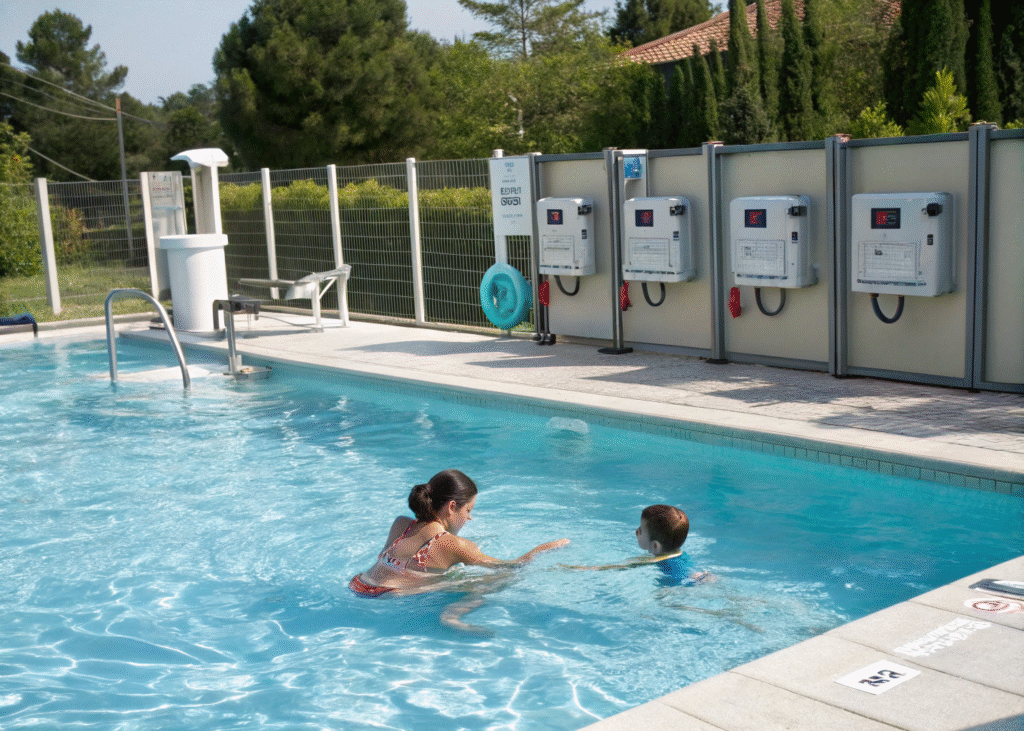
Safety is the most important thing for a commercial pool. Unsafe water can cause illness. It can even lead to lawsuits. Manual dosing makes it harder to keep water safe consistently. Chemical levels can go too low between doses. This allows harmful bacteria or viruses to grow. It is like letting your guard down. Automated dosing is like having a constant guard on duty. The system monitors the water all the time. If the disinfectant level drops, it immediately adds more. This keeps the water safe, hour after hour. This is crucial for public health. It gives pool operators peace of mind.
How does consistent levels improve safety?
Bacteria and viruses need certain conditions to grow. Low disinfectant levels provide those conditions. When disinfectant levels are stable and correct, these harmful organisms are killed. Think of disinfectant as the pool's immune system. A strong, stable immune system fights off disease. Consistent chemical levels give the pool a strong, stable immune system. This protects swimmers from waterborne illnesses. It is like having a perfect shield against germs.
What about compliance?
Health regulations for pools are strict. They require specific ranges for chemical levels, like chlorine or pH. If your levels are outside these ranges, you can get fined. You might even have to close the pool. Manual dosing makes it hard to stay within these ranges all the time. Levels fluctuate a lot. With automated dosing, the system works constantly to keep levels within the required range. It is like having a precise thermostat for your pool chemicals. You set the desired range, and the system keeps it there. This makes passing health inspections much easier. It ensures you are always compliant. It reduces the risk of fines or closure. This saves you potential costs and headaches.
Are there other safety benefits?
Yes, there are fewer chances for human error. When employees handle concentrated chemicals, there is a risk of spills or accidents. Automated systems handle the chemicals in a more controlled way. This reduces employee exposure to hazardous materials. It makes the workplace safer. It is like having a machine pour a dangerous liquid instead of a person. This lower risk is another safety benefit and can reduce potential costs from accidents.
Labor and Time Savings?
Spending too much time on manual pool maintenance? Wish your staff could focus on other tasks? Free up your team and save money on labor.
Labor and time savings are significant with automated dosing. Employees spend less time manually testing water and adding chemicals. They can focus on other important pool maintenance tasks.
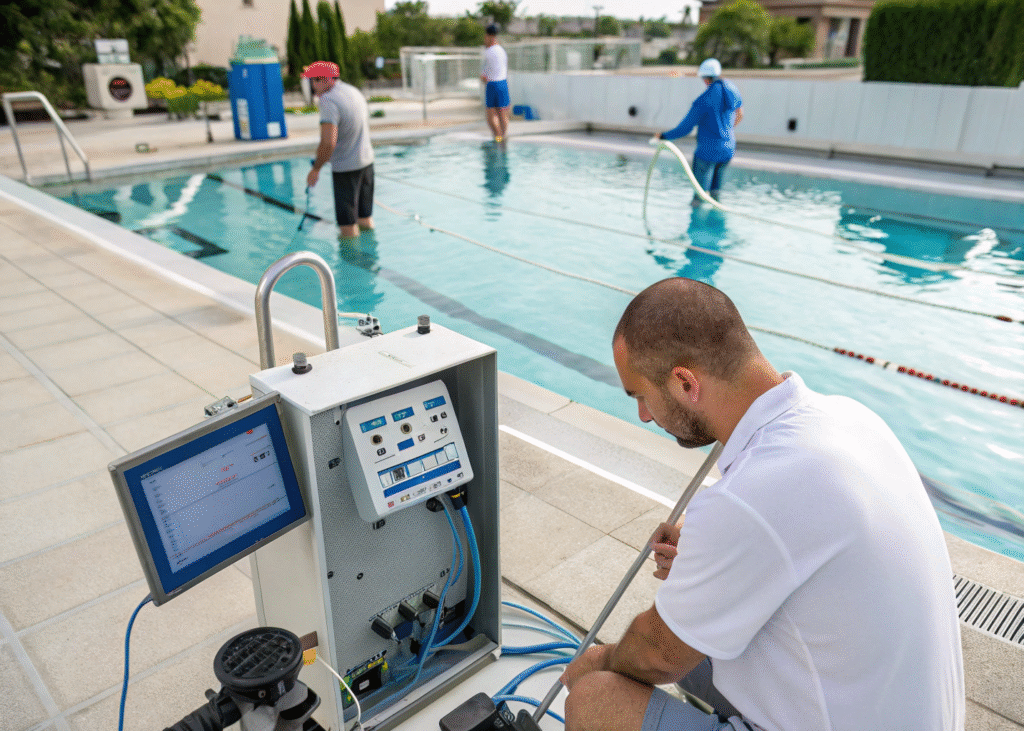
Manual chemical management is time-consuming. Pool staff must regularly test water samples. They need to calculate how much chemical to add. Then they have to physically add the chemical. This process might happen several times a day, depending on pool usage and conditions. Think about how much time this takes. Each test, calculation, and dose takes minutes. Those minutes add up over a day, a week, a month. It is like doing a repetitive task over and over again. This takes away time from other important jobs.
How does automation save time?
Automated systems do the testing and dosing automatically. The probes constantly monitor the water. The system's computer does the calculations. The dosing pumps add the chemical. Staff only need to check the system occasionally. They might need to refill the disinfectant tanks, but that is far less frequent than manual dosing. It is like having a robot manage your pool chemicals. The robot works tirelessly and accurately. This frees up your human staff. They can spend their time on things only humans can do.
What can staff do with saved time?
With the time saved on chemical management, staff can do other valuable tasks. They can focus on cleaning the pool area better. They can perform preventative maintenance on equipment. They can interact more with swimmers. They can improve the overall customer experience. This is like having an extra pair of hands. You can assign those hands to jobs that improve the pool facility or service. This makes your operation more efficient and can improve customer satisfaction. It can even lead to more business.
Does this reduce labor costs?
Yes, it absolutely can reduce labor costs. If your staff spends less time on chemical management, you might need fewer hours dedicated to that task. Over time, this can mean you need less staff or your existing staff can handle more work without increasing hours. For example, if a task that took 2 hours a day now takes 30 minutes, that is 1.5 hours saved daily. That adds up. This directly impacts your labor budget. It is like getting more work done with the same amount of paid time.
Extended Equipment and Pool Surface Life?
Are your pool surfaces and equipment wearing out too fast? Is inconsistent chemical treatment causing damage? Protect your assets and extend their lifespan.
Extended equipment and pool surface life result from stable water chemistry. Inconsistent chemical levels, especially spikes from manual dosing, can corrode equipment and damage surfaces over time. Automated systems prevent this.
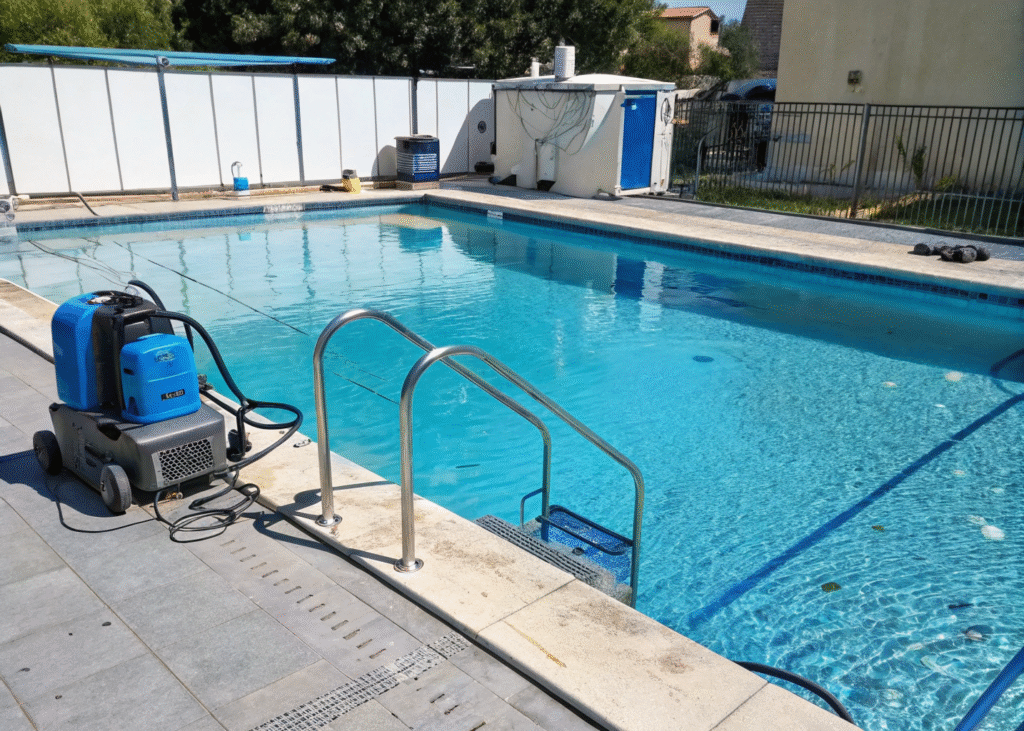
Think about what chemicals do. They are powerful substances. When they are added incorrectly or in inconsistent amounts, they can harm things besides germs. For example, adding too much chemical at once creates a high concentration in one area of the pool. This high concentration is like a strong acid or bleach spill on your kitchen counter. It can cause damage. In a pool, these chemical spikes can corrode metal parts of the filtration system, pumps, and heaters. They can also damage the pool surface material, whether it's plaster, tile grout, or liner. This damage shortens the life of your expensive equipment and the pool itself. It's like constantly hitting your car's engine with a hammer; eventually, it will break down sooner.
How does stable chemistry help?
Stable chemistry avoids those damaging spikes. The chemicals are added in small, controlled amounts, keeping the concentration within the safe range at all times. This gentler treatment is much better for your pool's infrastructure. It is like consistently using gentle cleaning products on your furniture instead of harsh chemicals. The furniture lasts much longer. Similarly, stable pool chemistry reduces wear and tear on everything the water touches. This means your pumps, filters, heaters, and even the pool shell itself will last longer.
What specifically gets damaged by inconsistent levels?
Metal components are very sensitive. Pumps, heaters (especially heat exchangers), and even ladders or railings can corrode faster with fluctuating or high chemical levels. Plaster surfaces can stain or deteriorate. Tile grout can break down. Liners can be weakened. It is like letting rust start on a piece of metal and then trying to stop it later. It is easier and cheaper to prevent the damage in the first place. Automated dosing provides that prevention.
How does this save money long-term?
Replacing pool equipment or resurfacing a pool is very expensive. Extending the life of these assets delays those large capital expenses. If a pump that normally lasts 7 years lasts 10 years because of better water chemistry, that is a significant saving. If your pool surface lasts 15 years instead of 12, that is also a big cost deferral. These long-term savings from protecting your assets are a major benefit of automated dosing. It is like investing in preventative maintenance for your most valuable pool components.
Role of Proprietary Disinfectants?
Are you just buying any disinfectant off the shelf? Do your chemicals work perfectly with your dosing system? Get the best performance with matching products.
Proprietary disinfectants play a key role by being specifically formulated for the automated dosing equipment. This ensures optimal performance, compatibility, and efficiency compared to generic chemicals.
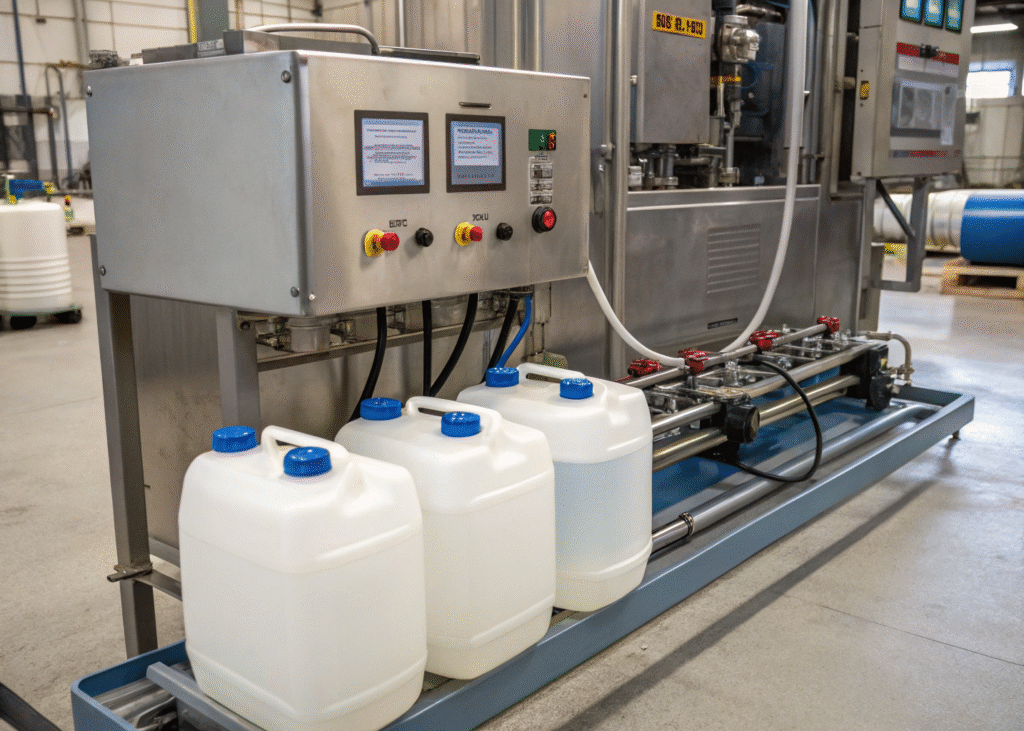
Think of your automated dosing system and the disinfectant like a lock and key. A generic key might open many locks, but it might not work smoothly with all of them. A key made specifically for your lock works perfectly every time. Proprietary disinfectants are like that custom key. They are designed to work in harmony with the specific pumps, sensors, and software of the automated dosing system. This perfect match means the system can dose the chemical more accurately. It ensures the chemical dissolves or disperses properly in the water. It prevents issues like clogging in the dosing lines or pumps.
How does formulation matter?
The chemical formula of the disinfectant is tailored for the equipment. For instance, a disinfectant might be formulated at a specific concentration or pH level that the pumps are designed to handle efficiently. Its viscosity might be just right for the dosing lines. The way it reacts with the pool water and the sensors is also considered. This fine-tuning means the system performs at its best. It is like using the right type of fuel for your car. Using the wrong fuel can cause problems; using the right fuel ensures smooth running. This perfect match between equipment and disinfectant leads to reliable and precise dosing.
Does compatibility improve efficiency?
Yes, compatibility is key to efficiency. When the chemical and equipment work together seamlessly, there is less waste and more effective disinfection. The system can respond faster and more accurately to changes in water conditions. This means the pool stays clean and safe with the minimum amount of chemical needed. It is like having a well-oiled machine. Every part works together smoothly, achieving the desired result with less effort and less waste. This efficiency translates directly into lower operating costs because you use less disinfectant overall.
What about performance differences?
Proprietary disinfectants are often developed to provide specific performance benefits when used with the matching equipment. They might be more stable in storage, break down less in sunlight, or work more effectively against certain types of contaminants. This enhanced performance means the pool water quality is higher, and less disinfectant might be needed to achieve the desired effect. It is like using a specialized tool for a specific job instead of a general-purpose tool. The specialized tool often does the job better and faster. This superior performance is another way the bundle of proprietary disinfectant and equipment saves money in the long run, through less usage and potentially better water quality requiring less intervention.
Conclusion
Switching to automated dosing and proprietary disinfectants cuts commercial pool costs significantly. It saves money on chemicals, labor, and equipment wear while improving safety and compliance.