Pool equipment failing is a frustrating and costly problem. Simple maintenance and smart choices can double the lifespan of your gear, saving you significant money and headaches in the long run.
The best way to extend the life of your pool equipment is to focus on two key areas: consistently maintaining proper water chemistry1, and choosing equipment designed with corrosion-resistant materials2. Balanced water prevents chemical damage, while quality construction withstands the harsh pool environment, reducing wear and tear.
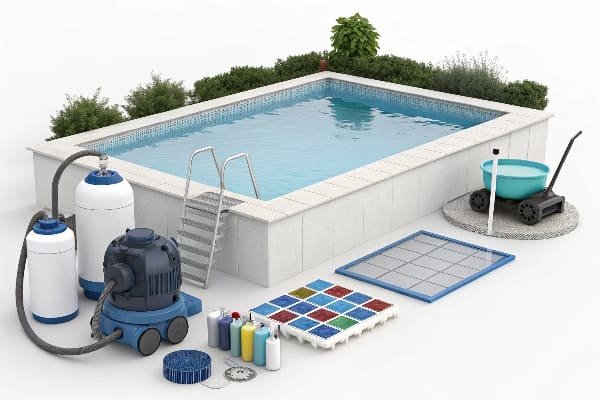
As someone who has spent decades in the water treatment industry, I've seen it all. From my early days in a disinfectant factory to now running Tornados, one truth always stands out. The high chlorine content necessary for a safe pool is incredibly corrosive. It relentlessly attacks everything it touches. This is why daily maintenance seems so demanding. But what if the equipment itself was built to resist this attack? This is the core of our philosophy. By investing in better, more durable designs, you reduce maintenance time and replacement costs. It changes the entire ownership experience for your clients and makes your job easier. Let's look at how you can apply this thinking to get the most out of every component.
What is the life of pool equipment?
Uncertainty about equipment lifespan makes budgeting for replacements a guessing game. This can lead to unexpected costs for you and your clients, damaging trust when something fails "too soon."
The lifespan of pool equipment3 varies greatly. Pumps and filters typically last 8-12 years, heaters 7-10 years, and vinyl liner4s 6-12 years. However, these figures depend heavily on maintenance, water chemistry, usage, and the initial quality of the equipment itself.
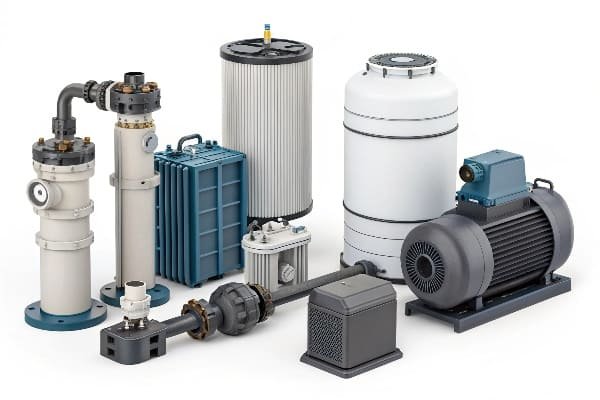
From my experience, I've seen two identical pumps have completely different lifespans. One, in a poorly managed pool, failed in just three years. The other, with balanced water and regular care, was still going strong after ten. It's not just about luck; it's about control. The main factors are water chemistry, runtime, and exposure to the elements. Unbalanced pH or excessive chlorine will corrode metals and make plastics brittle. Constant sun exposure degrades housings and electronics. To help you and your clients plan better, here’s a simple breakdown of what you can generally expect.
| Equipment Type | Typical Lifespan (Years) | Key Factors Affecting Lifespan |
|---|---|---|
| Pool Pump | 8 - 12 | Water balance, run time, ventilation, leaks |
| Pool Filter | 8 - 12 (tank) | Water chemistry, proper cleaning, winterization |
| Pool Heater | 7 - 10 | Water balance (especially calcium), usage |
| Vinyl Liner | 6 - 12 | Water chemistry, UV exposure, physical damage |
| Salt Chlorinator | 3 - 7 (cell) | Water balance, cleaning frequency, water hardness |
Understanding these ranges is the first step in managing expectations and creating a proactive maintenance schedule5 for your clients.
How to extend the life of a pool liner?
A ripped or faded pool liner is a huge problem. The replacement process is expensive, disruptive, and can put a client's pool out of commission for days, reflecting poorly on your service.
Extending a liner's life is simple. Maintain balanced water chemistry to prevent brittleness and fading. Clean it gently with a soft brush and avoid using sharp objects or abrasive tools in the pool. A good pool cover6 offers the best protection from damaging UV rays.
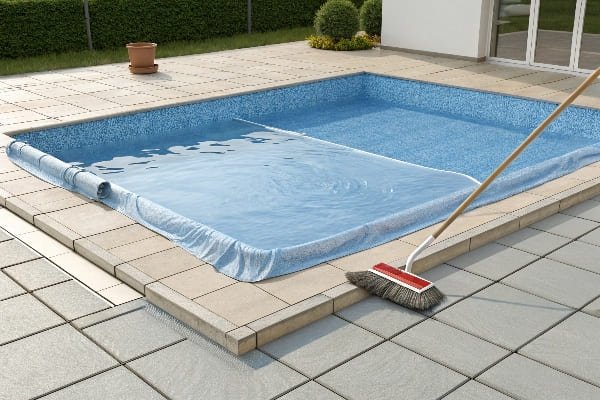
A pool liner is constantly under attack from two things: chemicals inside the water and sunlight7 from above. Getting these two things right is 90% of the battle. An incorrect pH level or consistently high chlorine will slowly leach the plasticizers out of the vinyl. This makes the liner less flexible, more brittle, and prone to cracking, especially in colder weather. It also causes the vibrant colors to fade quickly. I always advise my clients to test their water at least weekly and adjust as needed. Beyond chemistry, physical damage is the other enemy. Remind your customers to be careful with sharp pool toys, metal tools, and even pet claws. When vacuuming, ensure the vacuum head is in good condition and doesn't have sharp edges that could snag or tear the material. The single best investment for protecting a liner is a quality pool cover. It blocks UV radiation, which is a primary cause of degradation, and keeps out debris that can stain or cause tears.
How to protect pool equipment?
Your expensive equipment is constantly exposed to the elements. Sun, rain, and humidity conspire to cause rust, degrade plastic, and create expensive electrical failures for you to fix.
You can easily protect your equipment by shielding it from direct sunlight7 and rain. Also, ensure there is proper ventilation8 to prevent overheating, and keep the equipment pad9 clean of debris and chemical spills10, which can accelerate corrosion and attract pests.
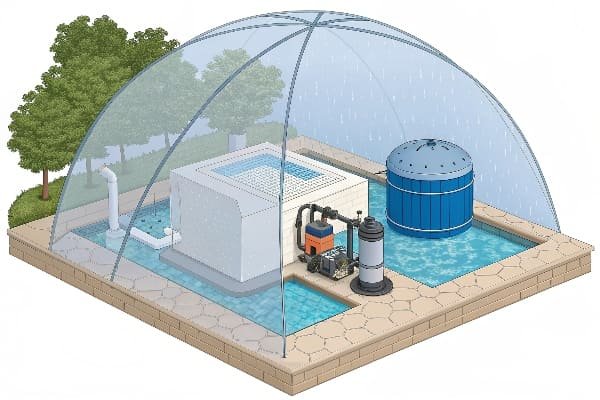
The environment around the equipment pad is just as important as the water chemistry1 inside the pool. Direct sunlight7 is brutal on the plastic housings of pumps, filters, and chlorinators1, making them brittle over time. Rain and moisture are the enemies of motors and electronics. A simple equipment cover or a small, well-ventilated shelter is a game-changer. I emphasize "well-ventilated" because a pump motor generates a lot of heat. If it’s trapped in a small, unventilated box, it will overheat and drastically shorten its life. Another critical point is cleanliness. Don't let leaves, grass clippings, or dirt build up around the equipment. This debris can clog air vents, causing overheating, and it also traps moisture against the equipment, leading to corrosion. The worst culprit is spilled chemicals. I’ve seen a small splash of liquid chlorine eat through a metal motor casing in just a few months. When designing our Tornados equipment, we focus heavily on using corrosion-resistant materials2 for exactly this reason. We build it to survive the real-world conditions of a pool pad.
How to make a pool pump last longer?
The pump is the heart of the pool, but it is often the first thing to fail. A dead pump means a green pool, an unhappy client, and an urgent, costly service call for your business.
To make a pump last longer, keep the skimmer and pump baskets clean to reduce motor strain. Ensure good ventilation8 to prevent overheating and fix any system leaks promptly. Running the pump only as long as necessary also reduces wear and extends its operational life.
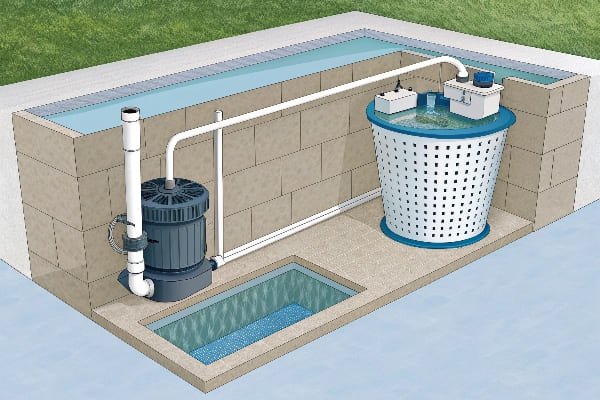
A pool pump11 motor works hard, and the number one thing that wears it out is unnecessary strain and heat. Think of it like a person running. If you make them run uphill with a heavy backpack, they will get tired faster. a clogged skimmer basket12 or pump basket is that heavy backpack. It restricts water flow, forcing the pump to work harder, which generates more heat and wears out the bearings and windings prematurely. Another critical failure point is letting the pump run dry. This can happen if the water level drops too low or if there's an air leak in the suction line. Without water flowing through it, the pump's mechanical seal will overheat and fail in minutes, causing a major leak. That’s why fixing leaks, both water and air, is so important. Finally, avoid running the pump more than needed. A variable-speed pump13 is excellent for this, as it can be run at lower speeds for longer periods, which is more energy-efficient and puts far less stress on the motor compared to a single-speed pump running at full blast.
Conclusion
By focusing on balanced water chemistry, protecting equipment from the elements, and performing regular, simple maintenance tasks14, you can dramatically extend the life of all your pool components and reduce long-term costs.
-
Understanding water chemistry is crucial; this resource will help you learn how to maintain it effectively. ↩ ↩ ↩
-
Find out about materials that can withstand harsh pool environments and enhance equipment durability. ↩ ↩
-
Explore this link to discover essential tips for keeping your pool equipment in top shape and extending its lifespan. ↩
-
Explore effective strategies to protect your vinyl liner from damage and extend its life. ↩
-
This link offers guidance on establishing a maintenance schedule to keep your pool equipment running smoothly. ↩
-
Learn how a pool cover can protect your pool and its components from damage and degradation. ↩
-
Understanding sunlight's impact on pool equipment helps you implement effective protection strategies, prolonging lifespan and reducing costs. ↩ ↩ ↩
-
Explore the importance of proper ventilation for pool equipment and how it can prevent overheating. ↩ ↩
-
Learn how to keep your equipment pad clean and well-maintained to protect your pool components. ↩
-
Learn the best practices for handling chemical spills to protect your pool equipment from damage. ↩
-
This link provides valuable insights on maintaining your pool pump for optimal performance and longevity. ↩
-
Find out why maintaining a clean skimmer basket is vital for your pool pump's health and efficiency. ↩
-
Discover the benefits of using a variable-speed pump for energy efficiency and reduced wear. ↩
-
This resource outlines key maintenance tasks that can help extend the life of your pool equipment. ↩